Foodlist Font for Editorial Design
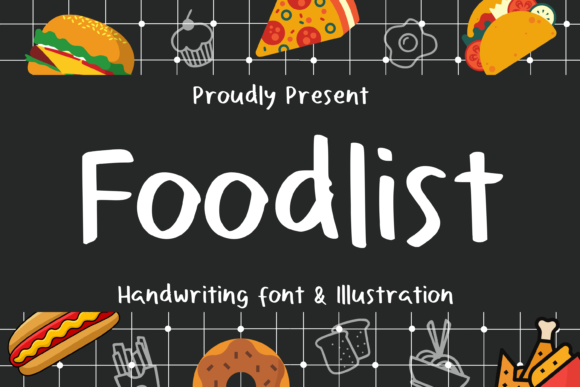
Foodlist is a versatile script font that blends relaxed elegance with adaptable style. Its handwritten charm and dingbat elements make it ideal for food-related design projects, but its appeal extends far beyond menus and flyers. As a premium font in the Script Amp category, Foodlist offers a unique voice for editorial designers, bloggers, and content creators looking to elevate their visual storytelling.
The font’s personality is warm and inviting, making it perfect for creating a sense of approachability in publications. Its fluid strokes and natural flow lend themselves well to headings, covers, and graphic elements that require a personal touch. Whether used in a lifestyle blog or a recipe ebook, Foodlist adds a distinctive character that stands out without overwhelming the reader.
Using Foodlist in Editorial Layouts
For blog headers, Foodlist can serve as a striking focal point that draws attention while maintaining readability. When paired with a clean sans serif font for body text, it creates a balanced contrast that enhances visual hierarchy. Magazine covers benefit from its expressive nature, offering a dynamic look that captures the essence of the content inside.
In ebook titles and newsletter graphics, Foodlist brings a sense of creativity and professionalism. It works particularly well in quote layouts, where its handwritten feel adds authenticity and emotional depth. For chapter openers in digital guides or printable worksheets, the font helps break up dense text and guide the reader through the content.
Foodlist for Branding and Reader Engagement
When used in publication branding, Foodlist can become a signature element that reinforces a consistent visual identity. It’s especially effective for content focused on food, wellness, or lifestyle topics, where a friendly and approachable tone is essential. Its adaptability allows it to be used in logos, social media graphics, and packaging design, ensuring a cohesive brand presence across platforms.
For lead magnets and printable guides, Foodlist adds a personalized flair that makes the content feel more exclusive and curated. In coaching workbooks or wedding guides, it helps set the tone and mood, creating a more immersive experience for the reader. The font’s flexibility also makes it suitable for accent typography in web design, where it can highlight key messages or calls to action.
Practical Applications and Readability
While Foodlist excels as a display font, it is best suited for short-form text such as headings, subtitles, and pull quotes. For longer reading, it should be paired with a readable serif or sans serif font to ensure clarity and comfort. This combination supports visual hierarchy, allowing readers to navigate content easily while maintaining an engaging aesthetic.
When designing for mobile layouts or screen reading, it’s important to test how Foodlist renders at different sizes. Its legibility improves when used in larger point sizes, making it ideal for cover text or section headings. In print, the font maintains its crispness and detail, making it a reliable choice for posters, flyers, and branded materials.
Font Pairing and Design Assets
Pairing Foodlist with a complementary typeface enhances its impact and versatility. A classic serif font like Georgia or Garamond provides a strong foundation for body copy, while a modern sans serif like Open Sans or Lato works well for captions and navigation elements. These pairings create a harmonious balance between expressiveness and functionality.
Designers should also consider the font’s included styles, alternates, and ligatures when integrating it into their workflow. These features allow for greater customization and help maintain consistency across different design elements. Multilingual support is another consideration, especially for international publications or multilingual content.
Commercial Licensing and Usage
For content creators and publishers, understanding the commercial licensing terms of Foodlist is essential. It is suitable for use in ebooks, templates, printables, paid newsletters, and client publications, provided the license agreements are followed. This ensures that the font can be incorporated into a wide range of digital and physical products without legal complications.
Whether you’re designing a creative blog, a digital magazine, or a printable planner, Foodlist offers a fresh and engaging way to present your content. Its blend of style and practicality makes it a valuable addition to any designer’s toolkit, helping to elevate the visual appeal and readability of editorial projects.
By thoughtfully incorporating Foodlist into your design process, you can enhance the overall user experience and create a more memorable connection with your audience. Its ability to convey warmth, personality, and clarity makes it a powerful asset for anyone working in publishing, branding, or content creation.